Beyond the Trend: The Complex Identity of Therians and Their Animal Awakening
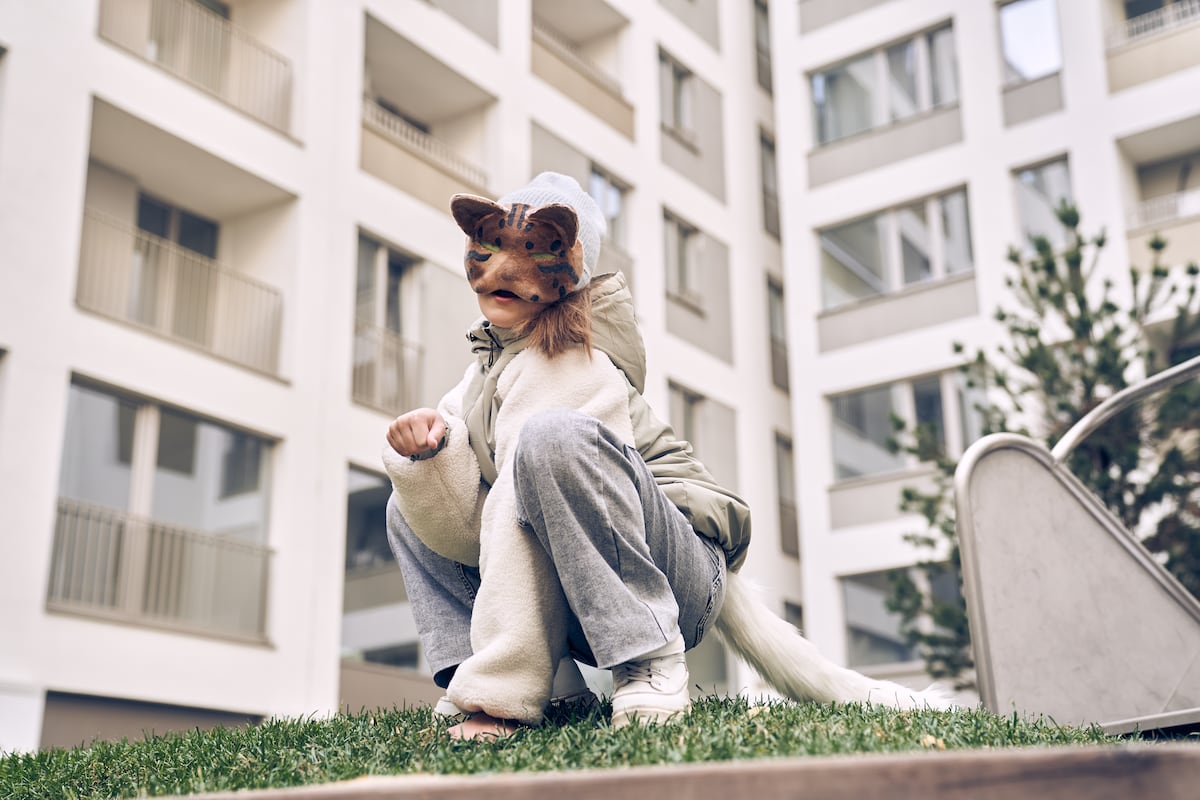
In public parks, open fields, and serene gardens, a fascinating scene is increasingly unfolding: individuals, often young, donning animal masks, moving on all fours, leaping over makeshift obstacles, and emitting sounds that echo the calls of wolves, felines, or various birds. These captivating moments, shared millions of times across TikTok and Instagram, have thrust the community known as Therians into the global spotlight. What many perceive as a quirky trend or a fleeting online phenomenon is, in reality, a deeply layered aspect of identity, intertwined with digital culture and the innate human need for belonging. To truly grasp the essence of what it means to be a Therian, and to understand the question of Therians que son, one must delve deeper than the surface-level spectacle.
What are Therians? Defining the Core Identity
At its heart, a Therian is an individual who experiences a profound, involuntary, and intrinsic identification with a non-human animal. This isn't merely an admiration for animals or a hobby; it's a deeply felt sense that their internal, spiritual, or psychological identity is not solely human, but intrinsically linked to an animal species. This core animal identity is often referred to as their "theriotype," which can range from common domestic animals like cats and dogs, to wild predators such as wolves and foxes, birds of prey, mythical creatures, or even prehistoric beasts.
The term "Therian" itself originates from the Greek word therion, meaning "beast," and is closely associated with "therianthropy." This ancient concept of humans and animals merging or sharing essence has permeated mythologies and folklore for centuries, from shapeshifters to deities with animalistic forms. However, the contemporary understanding of Therian identity emerged in the 1990s within early digital forums. It was in these online spaces that individuals, often feeling isolated in their experiences, found a community to express and explore their conviction that their inner self wasn't entirely human.
For many Therians, this realization isn't a conscious choice but rather an "awakening"—a moment of profound self-discovery where they come to understand this inherent animalistic aspect of their being. This awakening can manifest in various ways: a sudden sense of clarity, vivid dreams, an inexplicable pull towards a specific animal, or even what some describe as sensory memories that don't align with their human life, such as the feeling of running through a forest or hunting. These experiences are interpreted not as delusions, but as profound expressions or remnants of their true, internal nature.
Beyond the Costume: Therians vs. Furries – A Crucial Distinction
A common misconception, largely fueled by visual similarities in some public displays, is to conflate Therians with Furries. While both communities share an affinity for animals, their foundational identities and practices are vastly different. Understanding this distinction is crucial to answering the question, "Therians que son?"
Furries are individuals who are part of a fandom centered around anthropomorphic animal characters. They express their appreciation through art, literature, role-playing, and often, by creating and wearing elaborate animal costumes called "fursuits." For Furries, their connection to animal characters is typically aesthetic, artistic, recreational, or a form of self-expression. It's a chosen interest, a subculture, and often involves creating an animal *persona* or *character*.
In stark contrast, Therians assert that their connection to an animal is deep, intrinsic, and involuntary. They do not view their theriotype as a character they play, a costume they wear, or an aesthetic choice. Instead, they believe it is an integral, undeniable part of their true, internal self. While some Therians might wear masks or accessories that reflect their theriotype, these are often seen as external expressions of an internal reality, not a disguise or a performance. The animal isn't a persona; it's their perceived inner being. This distinction is paramount in understanding the authenticity and depth of the Therian identity. For more detailed insights into this difference, you can explore our article: Therians vs. Furries: Understanding the Deep Animal Connection and Quadrobics.
Embracing the Inner Animal: Quadrobics and Community Practices
One of the most visible and often captivating aspects of the Therian community is the practice of quadrobics (or quadratropía). This involves moving on all fours, mimicking the locomotion of their theriotype or other animals. More than just a symbolic gesture, quadrobics requires significant physical training, coordination, and strength. For those who practice it, it's a powerful way to align their physical body with their internal animal identity, embodying their theriotype in a tangible way. It's an expression of freedom, connection, and authenticity.
Beyond quadrobics, Therians engage in various other practices to connect with their inner animal. These can include:
- Vocalizations: Emitting sounds like howls, barks, purrs, or bird calls that resonate with their theriotype.
- Scenting: Using certain scents or smelling objects as a way to engage with their animalistic senses.
- Shifting: Experiencing mental, phantom, or dream shifts where they feel closer to their theriotype. This is not a physical transformation but a profound internal experience.
- Nature Connection: Spending time in natural environments, observing animal behaviors, and feeling a deep resonance with the wild.
- Communal Gatherings: Organizing meet-ups, often facilitated through social media, where Therians can interact with others who share similar identities. These gatherings provide a safe space for mutual understanding, shared practice, and a sense of belonging that might be absent in their everyday lives. From an outsider's perspective, these interactions might resemble role-playing, but for participants, they are authentic expressions of self.
Navigating Public Perception and the Digital Age
The rise of platforms like TikTok, Instagram, and YouTube has undeniably amplified the visibility of Therians. While social media hasn't created the phenomenon, it has provided an unprecedented platform for connection, education, and expression. What might have remained a niche identity confined to private forums now spills into public spaces, sparking curiosity, confusion, and sometimes, prejudice.
For many Therians, living authentically in a human-centric world presents unique challenges. The decision to practice quadrobics or vocalizations in public often stems from a desire for self-expression and community, but it can also attract misunderstanding, ridicule, or even hostility. It's a delicate balance between embracing one's true self and navigating societal norms. The digital age has offered Therians a voice and a platform, but it has also exposed them to greater scrutiny.
Tips for Understanding and Respect:
- Educate Yourself: Seek out reliable information (like this article!) rather than relying on viral snippets that might misrepresent the identity.
- Avoid Assumptions: Don't assume Therians are "playing make-believe" or seeking attention. Respect that this is a deeply personal and significant aspect of their identity.
- Differentiate: Remember the distinction between Therians and Furries.
- Respect Boundaries: Like any community, individual Therians will have different comfort levels with how they express their identity publicly. Respect their choices.
- Empathy: Try to understand the drive for authenticity and belonging that underpins many Therian experiences.
The phenomenon of Therians, far from being a simple internet trend, represents a complex interplay of identity, spirituality, psychology, and community. It challenges conventional notions of self and pushes the boundaries of how we define being human. As society becomes increasingly diverse and interconnected, understanding communities like Therians fosters greater empathy and broadens our collective perception of identity.